Call us now +1 (206)890-0641
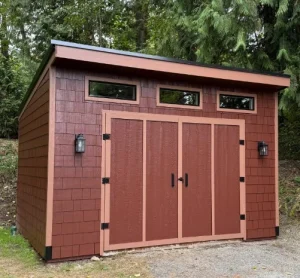
 Short answer: most simple backyard sheds in Washington do not require a full rezoning process or the same level of permits as habitable buildings — but local rules vary and some permits or approvals may still be required.
Why many sheds avoid rezoning or full building permits
- No plumbing or permanent sleeping/kitchen facilities: structures without plumbing, full kitchens, or sleeping spaces are often classified as accessory structures rather than dwellings, so they typically don’t trigger rezoning or the stricter permitting required for accessory dwelling units (ADUs) or new homes.
- Smaller footprint and simpler use: sheds used for storage or occasional hobby use usually fall under “accessory structure” standards (size and setback limits), which are governed by building and zoning codes but don’t require rezoning.
- Temporary or non‑habitable classification: if a shed is clearly non‑habitable (no permanent utilities, minimal insulation, no sleeping areas), it’s less likely to be treated as a new dwelling that changes zoning requirements.
Common permit and code issues homeowners should expect
- Building permits: many cities and counties still require a basic building permit for sheds over a certain square footage (commonly 120–200 sq. ft., though thresholds vary). This ensures structural safety (foundation, framing, wind and snow loads).
- Zoning setbacks and lot coverage: accessory structures must meet setbacks, height limits, and lot coverage rules. Even if rezoning isn’t needed, a shed that violates setbacks may need a variance or permit.
- Electrical permits: adding permanent electrical circuits, lighting, or outlets usually requires an electrical permit and inspection — and once utilities are added, the structure may be viewed as more than a simple storage shed.
- Plumbing and HVAC triggers: installing plumbing (toilets, sinks) or a permanent HVAC system can reclassify a structure as habitable and may require full building permits and potentially different zoning approvals.
- Foundations and anchoring: certain foundation types (concrete footings, frost‑protected foundations) may be required and typically fall under building permit review.
Practical checklist for Washington homeowners considering a shed
- Confirm size threshold: check your city/county limit for permit‑exempt accessory structures (e.g., small sheds under X sq. ft.).
- Verify setbacks and height limits: confirm required side/rear/front yard setbacks, maximum height, and lot coverage rules.
- Decide on utilities: avoid permanent plumbing and HVAC if you want to keep the structure classified as non‑habitable; plan electrical needs carefully and expect permits for wiring.
- Ask about foundation requirements: lightweight sheds may allow simple slab or skid foundations; larger or permanent builds usually require permitted footings.
- Check design and materials for local code compliance: wind, seismic, and weatherproofing details matter in Washington’s climate.
- Obtain required permits: when in doubt, apply for the local building or electrical permit — inspections protect safety and resale value.
- Document everything: keep permit paperwork and inspection records in case of future sale or insurance claims.
When a shed becomes an ADU or requires rezoning
- Adding sleeping, cooking, or permanent plumbing: once you add a kitchen, bathroom, or sleeping area, the structure can be classified as an accessory dwelling unit (ADU) or dwelling unit and will require full building permits and may trigger different zoning rules.
- Size and habitable intent: large, well‑insulated, permanently serviced structures intended for continuous occupancy are treated as dwellings.
- Short‑term rentals and code compliance: using a shed as a rental or guest house can invoke additional regulations, inspections, and licensing.
Tips to avoid surprises and stay compliant
- Start with your local planning/building department: rules differ by city and county (e.g., Seattle, King County, Snohomish County, Pierce County). Ask about permit thresholds, setbacks, and utility rules.
- Get a clear scope: define whether the shed is storage, workshop, or habitable studio — that determines permit path.
- Use licensed trade permits for utilities: hire licensed electricians/plumbers and pull permits for any permanent utilities.
- Consider a small, insulated studio alternative: if you want a year‑round studio, plan for the ADU/building permit path up front to avoid costly retrofits and reclassification.
- Keep records: permit approvals and inspection reports protect resale value and show compliance.
A simple backyard shed in Washington—without plumbing, permanent HVAC, or a kitchen/bedroom—generally will not require rezoning or full dwelling permits, but it still may require building, electrical, or site permits and must meet zoning setbacks and structural codes. Confirm local thresholds and obtain any necessary permits before building to ensure safety and avoid costly corrections later. If you plan to convert a shed into a livable studio or ADU later, plan for the full permitting path from the start.
Article written by SDEK, LLC.. Call us at +1 (206) 890-0641 or fill out our contact form to get started. Let SDEK, LLC be your trusted backyard office shed, ADU, and DADU contractors! We proudly serve King County, Snohomish County, and Pierce County, Washington.